
Benefits of Home Inspections Before Buying & What to Expect
Home Inspection Before Buying in Calgary, AB: What You Should Know
Buying a home is often the most significant purchase you will make in your lifetime. It is a process filled with excitement, anticipation, and, quite frankly, a little bit of anxiety. You fall in love with the chef's kitchen, the natural light in the living room, and the view from the master bedroom. But what lies behind the fresh paint and staging furniture?
A home inspection serves as your reality check. It is the crucial step that separates a dream home from a potential money pit. While the surface may look flawless, the inner workings of a property, the plumbing, electrical, foundation, and roof, tell the real story. Understanding why getting a home inspection before buying is essential for protecting your investment and your peace of mind.
This guide will walk you through the undeniable benefits of a professional inspection and detail exactly what you can expect during the process, ensuring you walk into your new home with your eyes wide open.
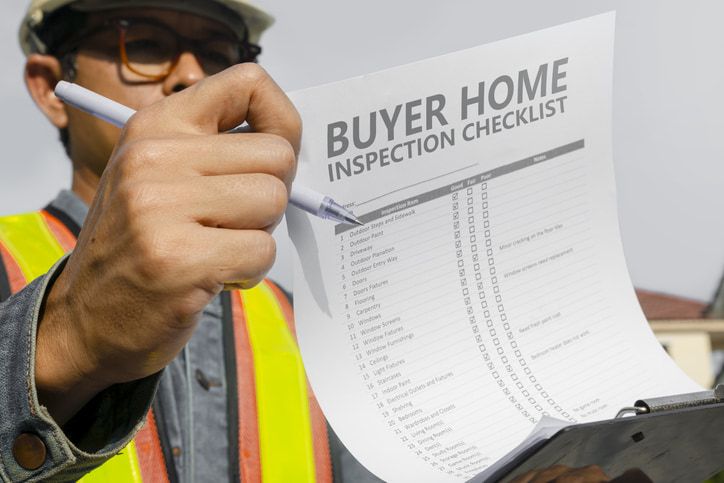
The Critical Importance of a Home Inspection
Skipping a home inspection to save a few hundred dollars or to make an offer more attractive in a competitive market is a gamble that rarely pays off. The cost of an inspection is a fraction of what you might spend on a surprise roof replacement or foundation repair.
- Uncovering Hidden Safety Issues
A home might look pristine, but it could harbour invisible dangers. Inspectors check for safety hazards such as faulty wiring, improper ventilation, mould presence, or structural instability. Identifying these issues before you close the deal ensures the safety of your family and allows you to address them with the seller.
- Foreseeing Future Costs
An inspector can determine the approximate age of major systems like the HVAC, water heater, and roof. If an inspector notes that the furnace is 20 years old and nearing the end of its life, you can budget for a replacement in the near future or negotiate a lower price to account for this upcoming expense.
- Negotiating Power
The report provided by your inspector is a powerful tool. If significant issues are found, you have three options:
- Ask the seller to make repairs before closing.
- Negotiate a lower purchase price to cover the cost of repairs yourself.
- Walk away from the deal if the problems are too extensive.
- Protecting Your Investment
For high-end and luxury homes, complex systems and custom features require expert evaluation. Ensuring these unique elements are functioning correctly protects the premium value of the asset.
What Happens During a Home Inspection?
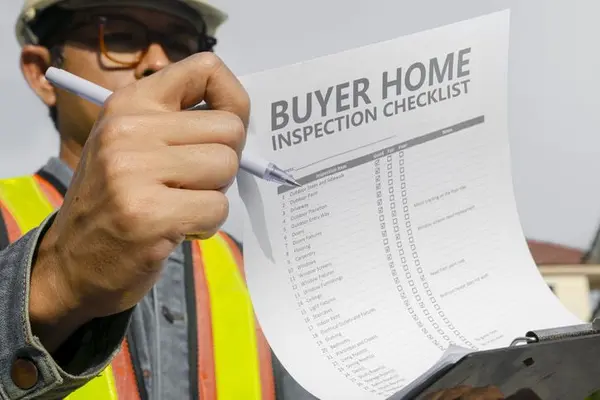
If you are wondering how to get a home inspection before buying, the process typically starts once your offer has been accepted. You will hire a licensed inspector who will spend several hours examining the property. Here is what our team found they typically assess:
Structural Components
The inspector will look at the "bones" of the house. This includes the foundation, floors, walls, ceilings, and roof structure. They look for signs of shifting, water damage, bowing walls, or large cracks that indicate structural failure.
Exterior Evaluation
The inspection covers the exterior surfaces, including siding, flashing, trim, and exterior doors. They also evaluate the condition of walkways, driveways, and patios to check for drainage issues that could direct water toward the foundation.
Roofing System
Inspectors will assess the condition of the roof covering, gutters, downspouts, and vents. They look for missing or damaged shingles, signs of aging, and proper installation to prevent leaks.
Plumbing and Electrical
- Plumbing: The inspector checks pipes, drains, water heaters, and fixtures for leaks and proper function. A home sewer inspection before buying is often recommended as an add-on service, especially for older homes, to check for tree root intrusion or collapsed lines.
- Electrical: They test outlets, check the service panel for safety compliance, and ensure there is no outdated or dangerous wiring, such as aluminum or knob-and-tube in older properties.
HVAC Systems
The heating and cooling systems are inspected to ensure they are operational and safe. This includes checking the furnace, air conditioner, ductwork, and thermostats.
Interior Features
The inspector checks walls, ceilings, floors, doors, and windows inside the home. They look for signs of water intrusion, proper operation of windows, and ensure stairways and railings are safe.
Attic and Insulation
Inspectors will check the attic for proper insulation levels and ventilation. Poor ventilation can lead to ice dams in the winter and overheating in the summer, potentially damaging the roof structure.
What to Do With the Inspection Report
Once the inspection is complete, you will receive a detailed report, often with photos, describing the condition of the home. It is important to read this carefully.
- Don't Panic: No home is perfect, not even a brand-new construction. The report will list maintenance items alongside major defects.
- Focus on Major Issues: Pay attention to expensive repairs or safety hazards. Cosmetic issues like peeling paint or a loose doorknob are easy fixes and shouldn't necessarily derail a deal.
- Ask Questions: If you don't understand something in the report, ask your inspector for clarification. They can explain the severity of an issue and often suggest what type of professional is needed to fix it.
The Value of Specialized Inspections
In some cases, a general inspection may recommend further evaluation by a specialist. If the home has a septic system, a pool, or a wood-burning fireplace, specialized inspections are crucial. Furthermore, conducting a home inspection before buying can also include testing for environmental hazards like radon or asbestos, which are common concerns in certain regions.
Securing Your Future
A home is more than a place to live; it is a significant financial asset. By ensuring a thorough inspection, you are not just buying a property; you are securing your financial future. Whether you are looking at a luxury estate or a charming inner-city infill, knowing the true condition of the property allows you to make decisions with confidence.
If you are ready to navigate the real estate market with a partner who values your financial growth and peace of mind, contact The Clegg Group today. Let us help you find a home that is as sound as it is beautiful!